When I travelled to Hangzhou this spring, I finally tasted Longjing, also called Dragon Well tea — China’s most famous green tea, and it instantly became my favourite discovery on this trip.
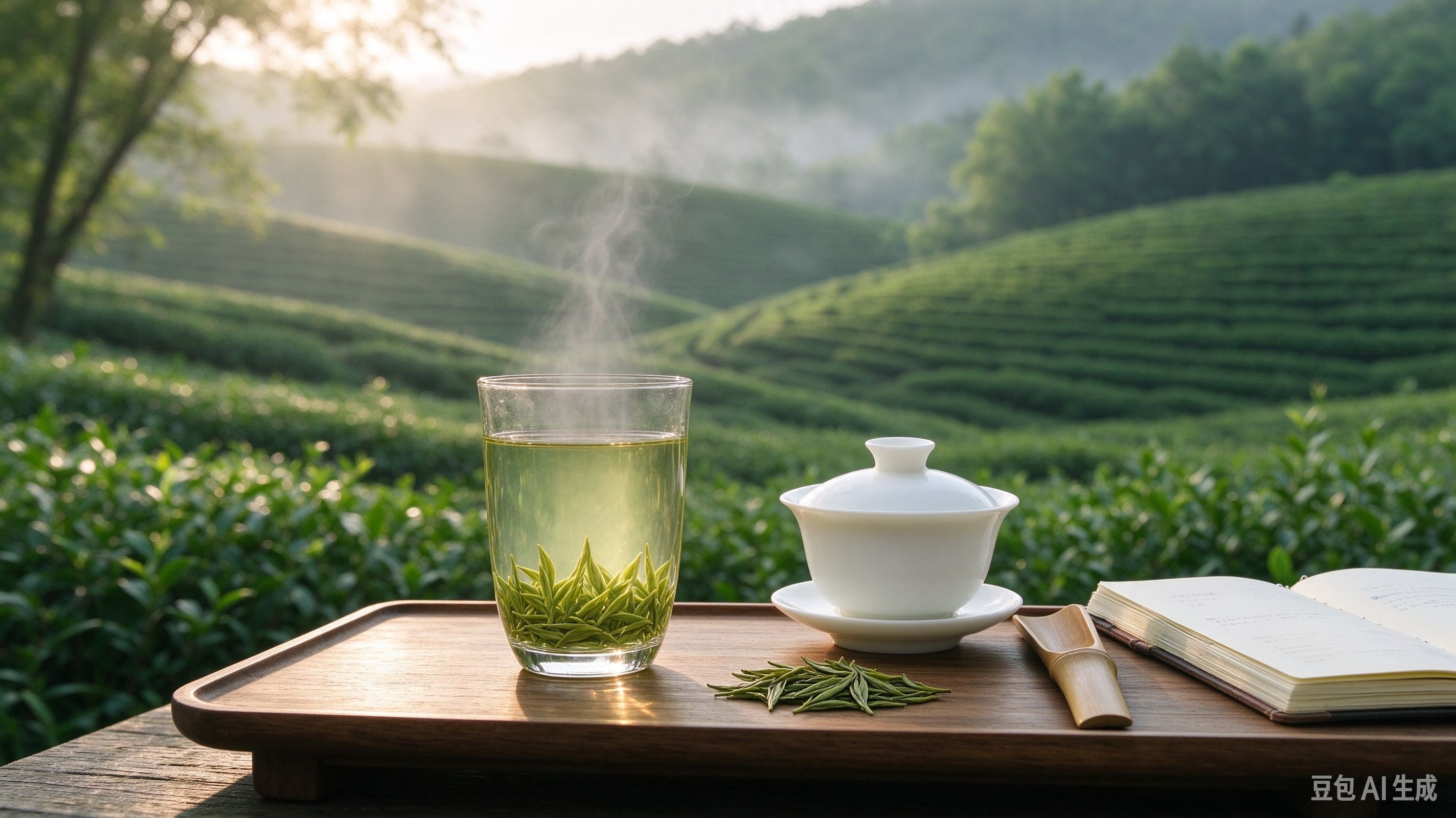
I visited a quiet tea farm near West Lake, where rolling hills are covered with neat tea bushes. My host told me Longjing has a history of more than 1,200 years. It was loved by scholars and monks long ago, and became an imperial tribute tea in the Qing Dynasty. Emperor Qianlong admired it so much that he named eighteen old tea trees on Lion Peak as royal tea trees. Even today, hand‑frying Longjing is a precious intangible cultural heritage skill passed down through generations.
The dry leaves are flat, smooth and tender. When warm water touches them, they slowly unfurl like waking buds. The pale green tea soup smells fresh, with a soft chestnut aroma. I took a slow sip. It was not bitter at all, but clean, sweet and bright, carrying the gentle flavour of spring mountain rain.
I also learned about its gentle health benefits. Packed with catechins and antioxidants, Longjing helps clear free radicals and supports metabolism. It contains L‑theanine, which brings calm focus instead of jittery energy from strong coffee. Locals say it aids digestion, eases tiredness and supports heart health. Unlike strong herbal drinks, it nourishes softly, a perfect example of Chinese wellness wisdom.
Sitting beside the tea garden with a warm cup, I understood why people chase pre‑Qingming Longjing, picked before Tomb‑Sweeping Day. Every small bud is carefully harvested. This tea is far more than a drink. It carries ancient stories, farmers’ patience and the quiet beauty of Chinese tea culture.
Now every time I smell its fresh scent, I can picture the misty hills of Hangzhou. This cup of Dragon Well is the taste of spring I will never forget.