
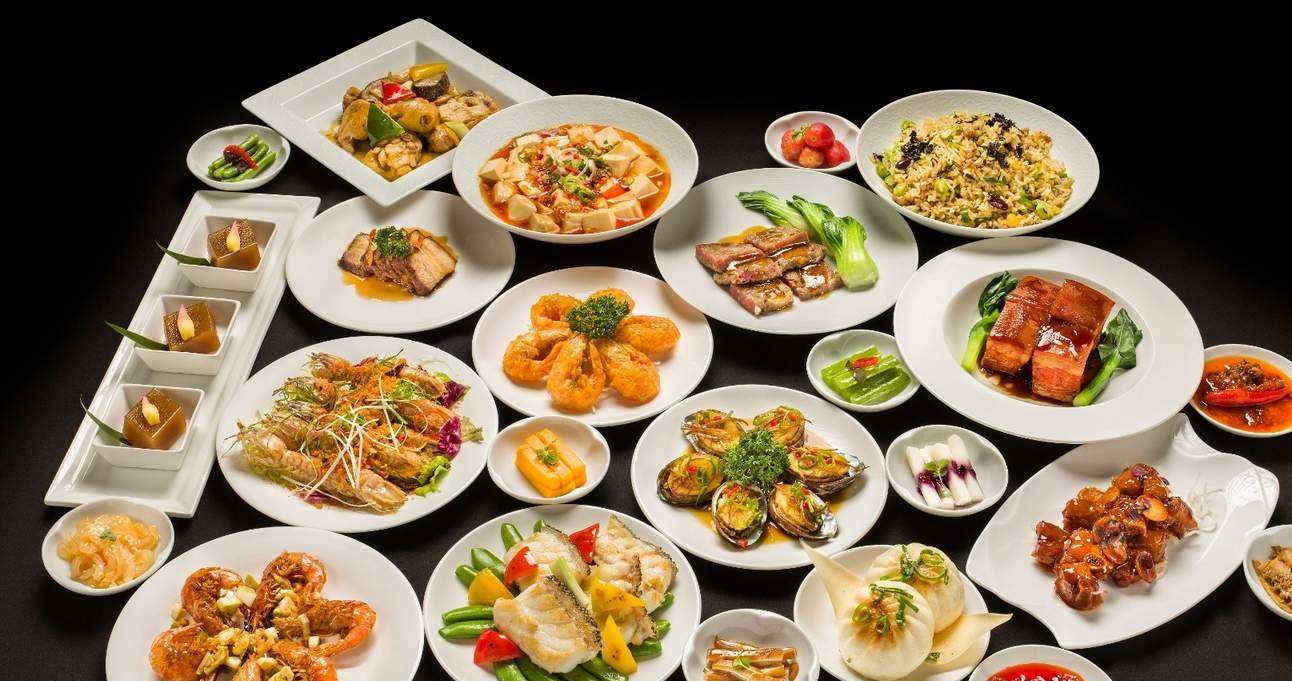
China’s culinary legacy stretches back thousands of years. Shaped by varied terrain, climate, local produce and age-old customs, eight distinguished cooking traditions have risen as the most celebrated, known as the Eight Great Cuisines. Far more than mere flavours, they carry history, aesthetics and the wisdom of generations, weaving a rich tapestry of Chinese gastronomic art.
Shandong Cuisine, or Lu Cuisine, stands as the oldest among them, hailed as the foundation of northern Chinese cooking. Rooted in the land of Confucius, it once formed the backbone of imperial court banquets. It prizes clear, fresh and savoury tastes, mastering braising, stewing and deep-frying, with fine broth-making as its signature skill. Braised sea cucumber and sweet and sour carp are timeless classics.
Sichuan Cuisine, Chuan Cuisine, wins global fame for its layered, bold palate. Many mistake it for simply fiery; its soul lies in *mala*, the distinctive harmony of chilli heat and the tingling sensation of Sichuan peppercorn. It balances seven fundamental tastes, and iconic dishes include mapo tofu and kung pao chicken, beloved across continents.
Cantonese Cuisine, Yue Cuisine, is the most internationally recognised. It reveres the natural sweetness of prime ingredients, using gentle techniques such as steaming and quick stir-frying with light seasoning. Dim sum, roast goose and fresh seafood embody its philosophy: honour the original taste of what you cook.
Jiangsu Cuisine, Su Cuisine, especially Huaiyang style, is synonymous with refined elegance. Born along the Yangtze and Huai rivers, it emphasises seasonal ingredients, delicate sweetness and meticulous carving and plating. Soft in flavour and exquisite in presentation, it counts squirrel-shaped mandarin fish among its masterpieces.
Zhejiang Cuisine draws inspiration from lakes, mountains and coastal waters. Clean, tender and subtly sweet, it makes the most of freshwater fish, bamboo shoots and aquatic delicacies. West Lake Vinegar Fish and Dongpo Pork showcase its quiet, graceful charm.
Fujian Cuisine, Min Cuisine, thrives on mountain and sea gifts. Famous for slow-simmered soups and the technique of red wine lees cooking, it balances freshness and umami. Buddha Jumps Over the Wall, an opulent multi-ingredient soup, remains its most legendary dish.
Hunan Cuisine, Xiang Cuisine, delivers forthright, robust heat. Unlike Sichuan’s numbing spice, its chilli flavour is bright and direct, complemented by smoked, cured and pickled ingredients. Steamed fish head with chopped chilli captures its unreserved character.
Anhui Cuisine, Hui Cuisine, treasures wild mountain ingredients and slow braising over charcoal fire. It favours ham, mushrooms, stone frogs and bracken, with deep, concentrated flavours that speak of the quiet ruggedness of the Huangshan region.
These eight schools do not exist in isolation. They exchange techniques and inspirations yet retain their distinct identity. To taste China’s eight cuisines is to travel across its mountains, rivers and coasts, to taste the soul of a nation that has long regarded cooking as an art. Food here is not only sustenance, but a living cultural heritage, passed down and reimagined with every careful cook’s hand.