
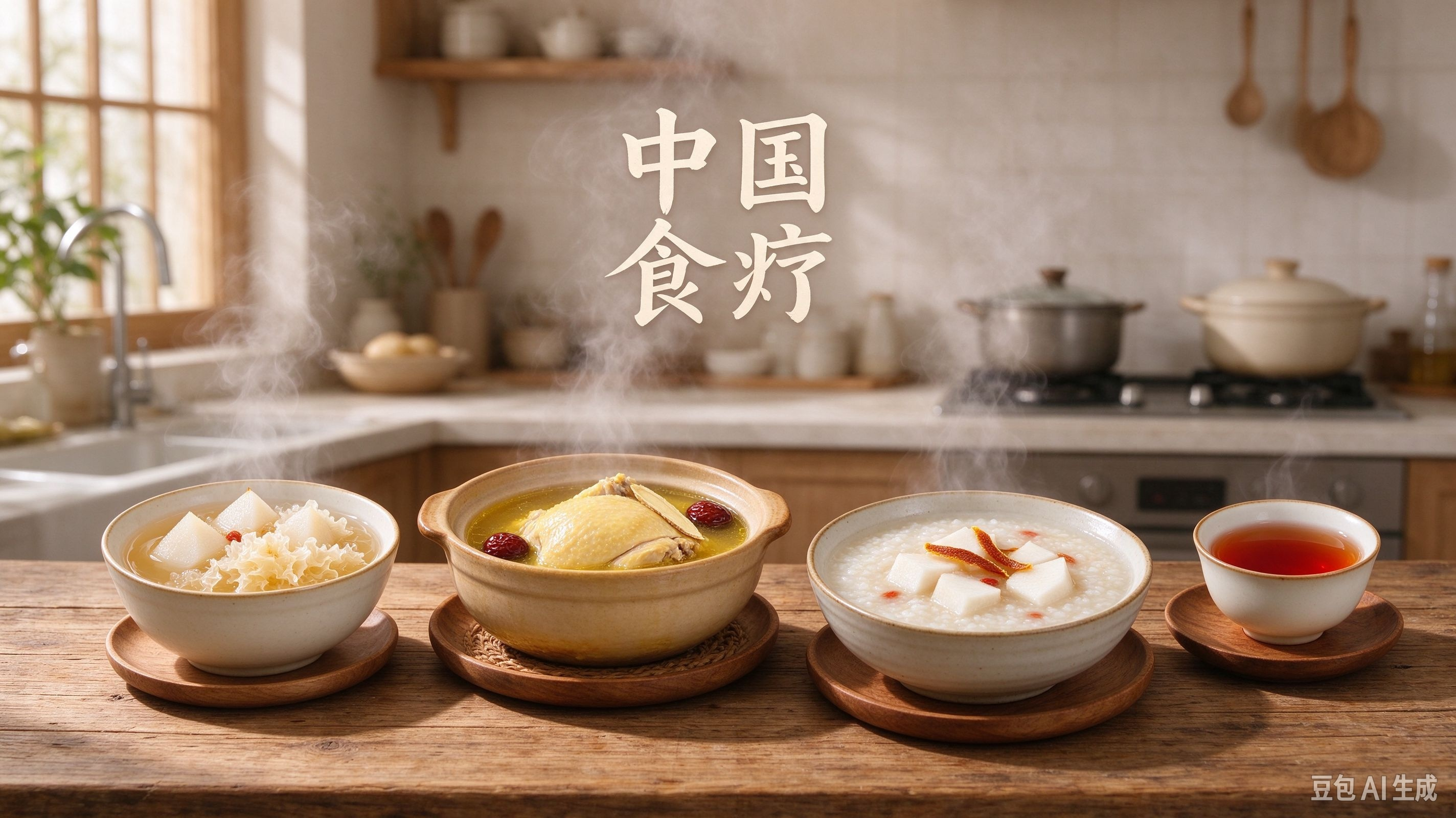
Many outsiders picture Chinese food therapy as complicated, bitter herbal potions only for sick people. The truth is far warmer: it is an ancient, down-to-earth way of eating that matches food to what your body needs. Rooted in Traditional Chinese Medicine, this gentle wellness philosophy focuses on balance, not quick fixes. These four easy, widely used recipes are beloved across Chinese households. They taste great, require simple ingredients, and fit naturally into busy daily routines.
First, snow pear, tremella and lily bulb soup, the go-to remedy for dry throats and autumn dryness. Soak dried tremella until soft, tear it into small pieces, then simmer it with sliced pear and dried lily bulbs for around one hour. Add a little rock sugar if you like. The soup is light, sweet and silky. Tremella is packed with plant collagen to moisten the body, while pear and lily soothe irritated lungs, ease dry coughs and calm a restless mind. It works beautifully when your throat feels scratchy after long hours speaking, travelling or staying in dry air-conditioned rooms. It tastes like dessert, but it quietly nourishes you from inside.
Second, astragalus chicken soup, perfect for anyone feeling worn out and low on energy. Blanch chicken pieces to remove impurities, then slow-simmer them with a small slice of astragalus root, a few red dates and ginger for 90 minutes. The broth turns golden with a faint earthy herbal flavour, no bitter aftertaste. Astragalus is famous for boosting qi, the vital energy in TCM. This soup helps people recover after tired work weeks, long trips or mild illness. Students, office workers and new travellers often rely on it to fight constant fatigue.
Third, dried tangerine peel and Chinese yam congee, the staple for sensitive stomachs. Peel and cut fresh yam into chunks, add rice and a piece of aged tangerine peel, and cook into soft, creamy congee. Aged peel cuts through dampness and eases bloating, while mild yam protects and strengthens the spleen and stomach. If you have poor appetite, upset digestion after rich meals or gentle morning discomfort, this soft congee is ideal. It is light enough for breakfast and safe for most people.
The last pick is hawthorn berry tea, a handy post-meal drink. Simmer dried hawthorn berries in water for 15 minutes and strain. It has a bright, tart flavour. After heavy, fatty feasts, it helps digestion and relieves that heavy, stuffed feeling. Keep in mind it is not suitable on an empty stomach for those with sensitive stomachs.
A key point to understand: food therapy is not magic medicine. It supports wellness rather than replacing professional medical treatment. It teaches us to notice small signals our bodies send us — dryness, tiredness, bloating — and respond with gentle food instead of pills. For thousands of years, Chinese families have passed these simple dishes down, turning ordinary meals into daily care. You do not need rare herbs or special cooking skills. With a clay pot, fresh ingredients and slow cooking, you can bring this ancient wisdom into your own kitchen.