Before I arrived in Chengdu, I thought Sichuan food was just unbearably spicy chili. That idea completely melted away the moment I sat down in a bustling local restaurant and tasted real Sichuan cuisine. What I found was not only heat, but a magical, tingling “mala” — the famous numbing-spicy flavour created by Sichuan peppercorns and dried chilies.
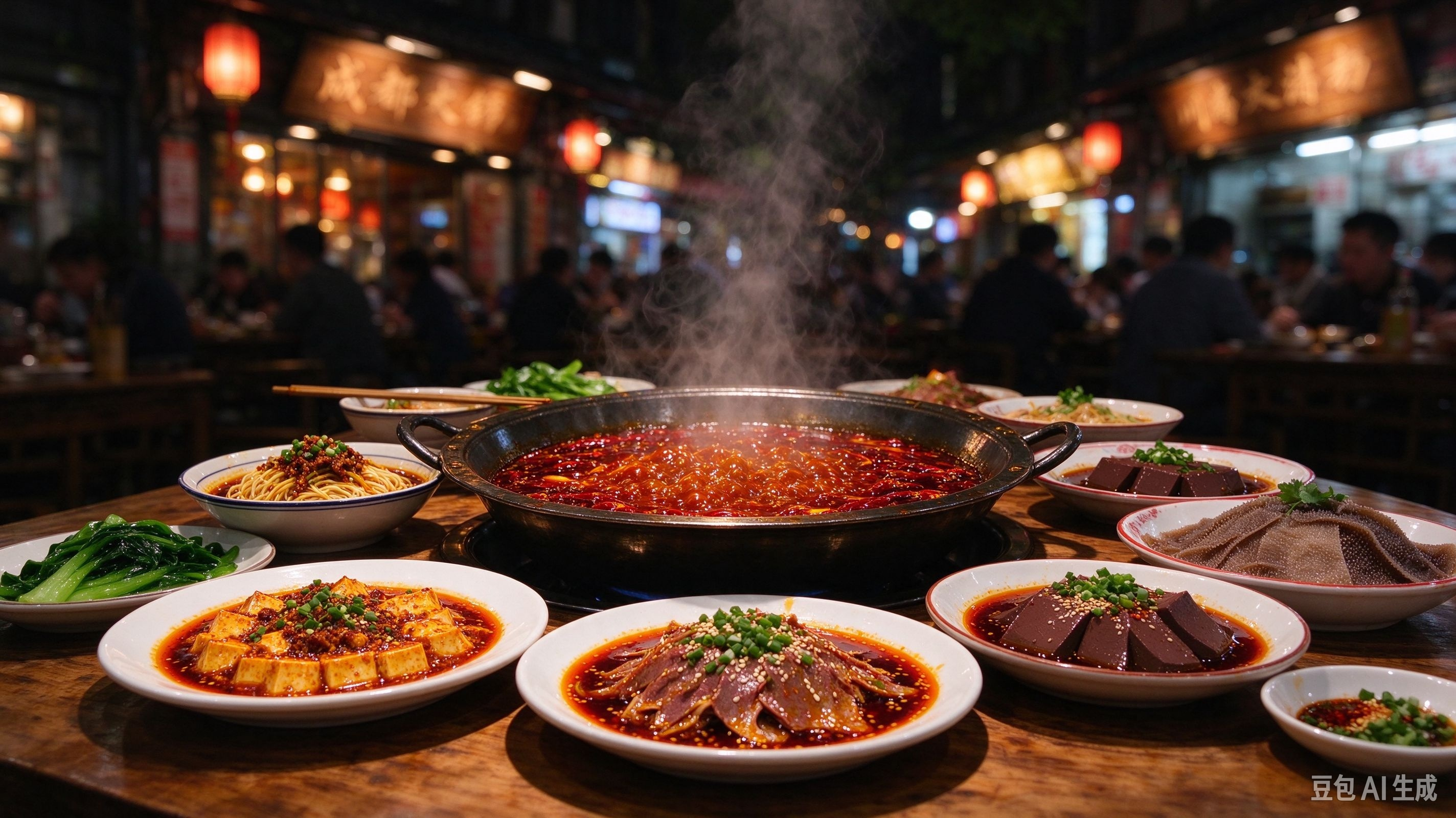
My first stop was classic hot pot. A huge pot of ruby-red broth bubbled in the centre of the table, sending rich, fragrant steam into the air. I dropped thin beef slices, tender tofu and mushrooms into the simmering soup. When I took the first bite, my tongue felt softly tingly, followed by warm, layered spice. The local owner laughed and told me that Sichuan cooking has a long history of over a thousand years. Chefs here chase balanced flavours, not just burning heat. There are twenty-four complex taste styles, including fish-fragrant, sour-spicy and strange mixed flavour.
I tried many iconic dishes that afternoon. Mapo tofu was silky soft, coated in savoury bean paste and fragrant peppercorn oil. Dan dan noodles, tossed with minced pork and sesame sauce, packed bold flavour in every small bowl. Fuqi feipian, thin sliced beef in bright red chili oil, surprised me with its nutty, fresh taste. I also had kung pao chicken, sweet, sour and crunchy with peanuts. Every dish tasted different.
Locals explained that Sichuan’s wet climate inspired this style of cooking. Spices help warm the body and boost circulation. Meals here are more than eating; they are a slow, joyful social tradition. People chat, sip tea and share dishes for hours.
By the end of the day, my lips still tingled gently, but I was hooked. Sichuan cuisine is an art form. It carries the personality of Chengdu — relaxed, lively and full of surprises. This trip taught me the true meaning of the old saying: “Food belongs to China, but flavour belongs to Sichuan.” Every bite was a wonderful adventure I will always remember.