
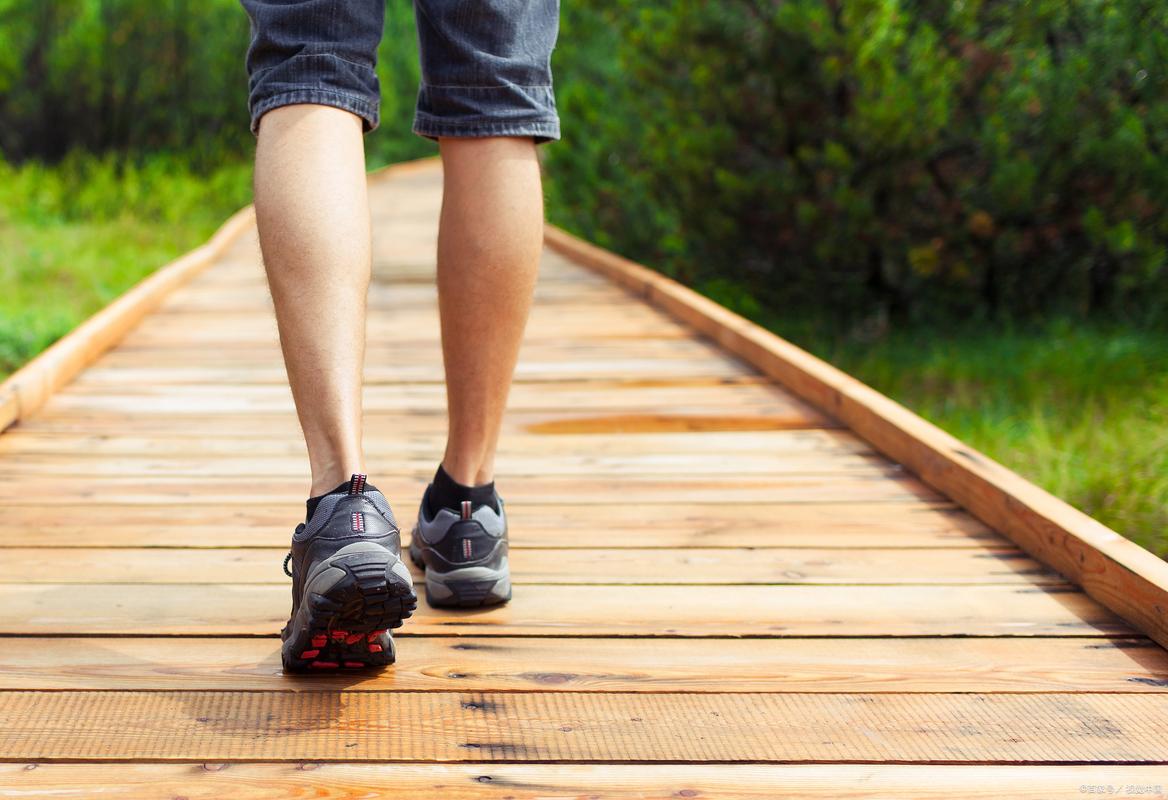
If you had told me before travelling in China that the most eye-opening wellness ritual I would discover was slow walking after dinner, I would have been surprised. Back home, walking was usually a task: a brisk workout to hit step goals, burn calories or enjoy a fast hike. It focused on speed and results. But China introduced me to a softer way of moving, summed up by the old saying: *Walk a hundred steps after a meal, and you will live to ninety-nine*. These hundred steps are not meant to be counted strictly; they stand for mindful, gentle movement that reshaped my idea of wellness.
I first watched this custom in a quiet residential neighbourhood at dusk. Families and elderly residents wandered along tree-lined paths after dinner. No fitness trackers, no rush. They chatted casually, admired the pond, and moved at an easy pace. My local friend explained this is *yang sheng*, nourishing life. Hippocrates once said, *“Walking is man’s best medicine.”* I had read this quote before, yet only here did I fully understand its deeper meaning.
Chinese post-meal walking shares much with Western walking. Both are free, easy ways to lift mood and ease stress. Nietzsche famously wrote, *“All truly great thoughts are conceived by walking.”* Many people in the West walk to clear their minds and seek inspiration. Light walking helps digestion and improves blood circulation in both cultures. Our bodies were never made to sit for hours without moving.
Still, their core purposes differ greatly. Western walking often comes with goals: distance, calories, a higher heart rate. Even leisurely walks can feel productive, a chance to listen to podcasts or sort out plans. We tend to walk to achieve something.
By contrast, Chinese health walking follows the rule: move without strain. Right after eating, heavy exercise is thought to pull energy away from digestion. The slow stroll helps *qi*, the vital energy, flow smoothly inside the body. It is not about effort, but harmony. Joseph Joubert remarked, *“The best remedy for a short temper is a long walk.”* This evening walk carries the same healing power, yet it blends naturally into daily life rather than being a separate activity. It is also communal: neighbours greet one another, and wellness becomes a shared joy instead of a solo pursuit.
I started joining locals after meals. I had to fight my habit of speeding up. Slowly, I learned to relax my shoulders and take in the evening — the scent of osmanthus, children’s laughter, soft evening breeze. My stomach felt comfortable, and my mind grew calm.
This old Chinese saying promises no eternal youth. It teaches balance. Western walking builds strength and inspires thinking, as great thinkers loved. Chinese post-meal walking teaches presence and gentle restoration.
I will bring this wisdom home. I still love energetic hikes, but I will reserve time for quiet post-meal wandering. Sometimes the best self-care only needs slow steps and a peaceful heart.