Classical Chinese gardens, one of the three major garden systems worldwide, represent an outstanding treasure of ancient Chinese art and philosophy. Rooted in more than two thousand years of history, they flourished from the Song Dynasty and reached their artistic peak in the Ming and Qing dynasties. Unlike symmetrical, geometric Western formal gardens, classical Chinese gardens aim to “imitate nature yet surpass it”, recreating the spirit of mountains, rivers and wilderness within limited enclosed space.
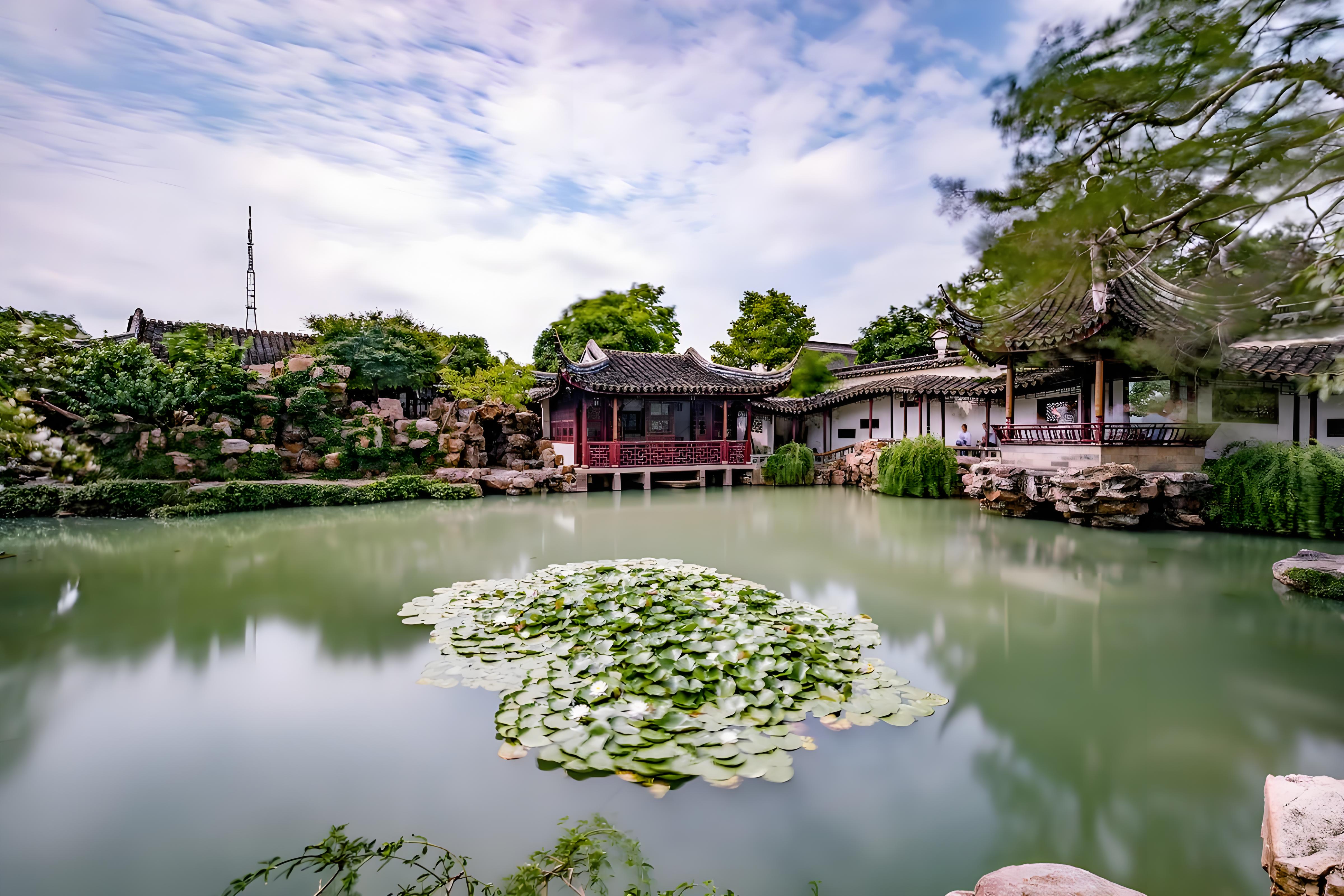
Two main categories dominate classical Chinese gardens: imperial gardens and private literati gardens. Imperial gardens, represented by the Summer Palace in Beijing and Chengde Mountain Resort, were built for emperors. They boast vast territory, grand palatial buildings, rich colours and magnificent scenes, integrating lakes, hills and royal halls to showcase imperial dignity. Private gardens, mostly concentrated in Suzhou, are masterpieces of Jiangnan garden art. Owned by ancient scholars, officials and merchants, they were quiet retreats for reading, painting and meditation. The Humble Administrator’s Garden and the Lingering Garden in Suzhou are UNESCO World Heritage Sites, celebrated for delicate layout and subtle artistic conceptionChina.org.....
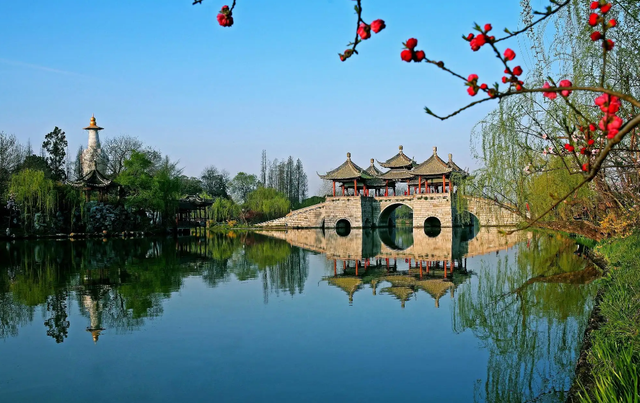
Four core elements shape a classical Chinese garden: water, rockery, architecture and plants. Water serves as the soul of the garden. Ponds and streams reflect pavilions, soften hard structures and create a serene atmosphere. Rockery, usually made of porous Taihu stones, simulates mountain peaks and valleys, bringing rugged natural charm into the courtyard. Architectural structures including pavilions, terraces, covered corridors and lattice windows blend naturally with surroundings instead of dominating the scenery. Winding corridors guide visitors step by step, while hollowed lattice windows frame changing views like painting frames. Plants such as pine, bamboo, plum and lotus carry symbolic meanings: pine stands for perseverance, bamboo for integrity and lotus for purity, echoing the spiritual pursuit of ancient literati.
Several unique design techniques distinguish classical Chinese gardens. *Borrowed scenery* (jiejing) extends vision beyond garden walls, drawing distant hills or pagodas into the view. *Framed scenery* uses doorways and windows to capture views just as a painter frames a landscape painting. The design follows the idea of alternating concealment and exposure. Paths twist and turn, hiding scenes at every corner; visitors constantly discover new views as they wander, just as unrolling a long Chinese scroll painting. Every detail is carefully arranged to create layered, changing scenery and profound poetic mood.
Behind these landscapes lies profound Chinese philosophy. Influenced by Taoism and Confucianism, the gardens embody the pursuit of harmony between human and nature. For literati, a small garden was not merely decoration, but a spiritual haven away from worldly chaos. They inscribed poems on steles, hung scroll paintings and held gatherings here, merging poetry, calligraphy, painting and architecture into one integrated art form.
Today, classical Chinese gardens still charm global visitors. They are not only preserved cultural relics, but also carriers of Chinese aesthetics and wisdom. Walking through pavilions beside rippling ponds, people can still feel the ancient belief: the whole universe of mountains and rivers can be contained in a small courtyard.