When I packed my bag for Shandong, I expected rolling mountains, ancient Confucian temples, and the quiet flow of the Yellow River. I never imagined that my greatest discovery would be Lu cuisine — the oldest among China’s eight major culinary traditions, the quiet root from which many other Chinese cooking styles grew.
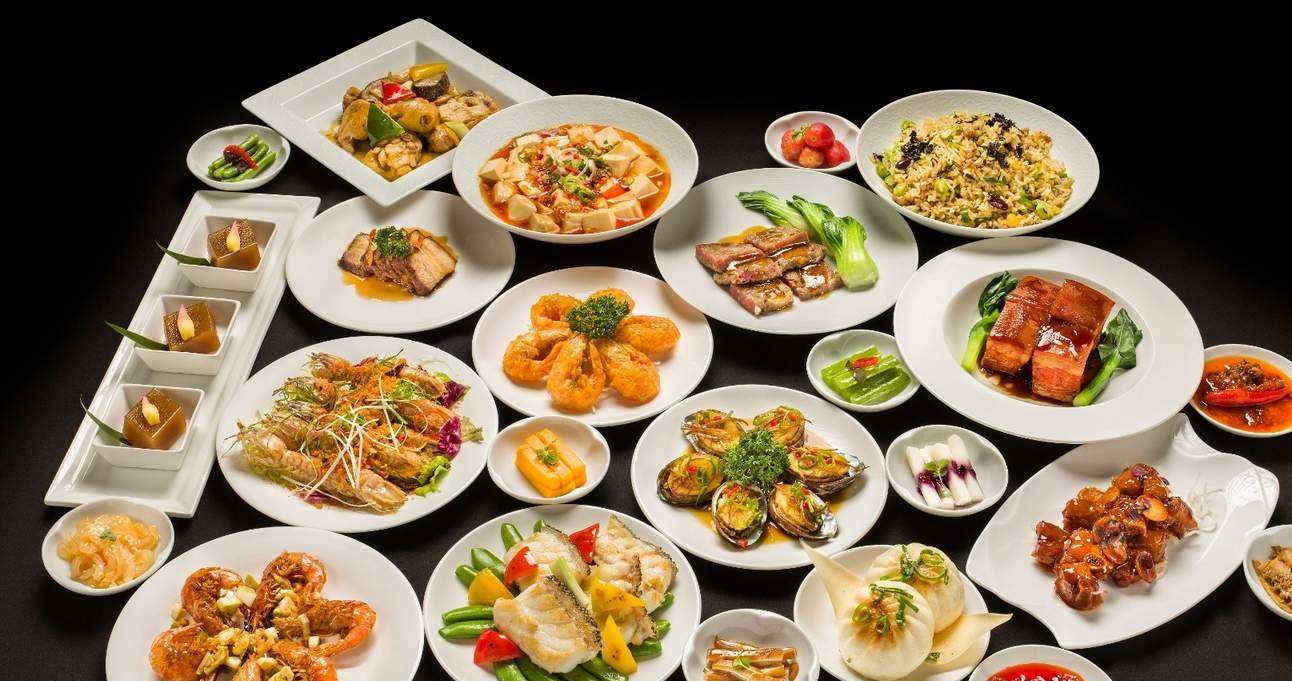
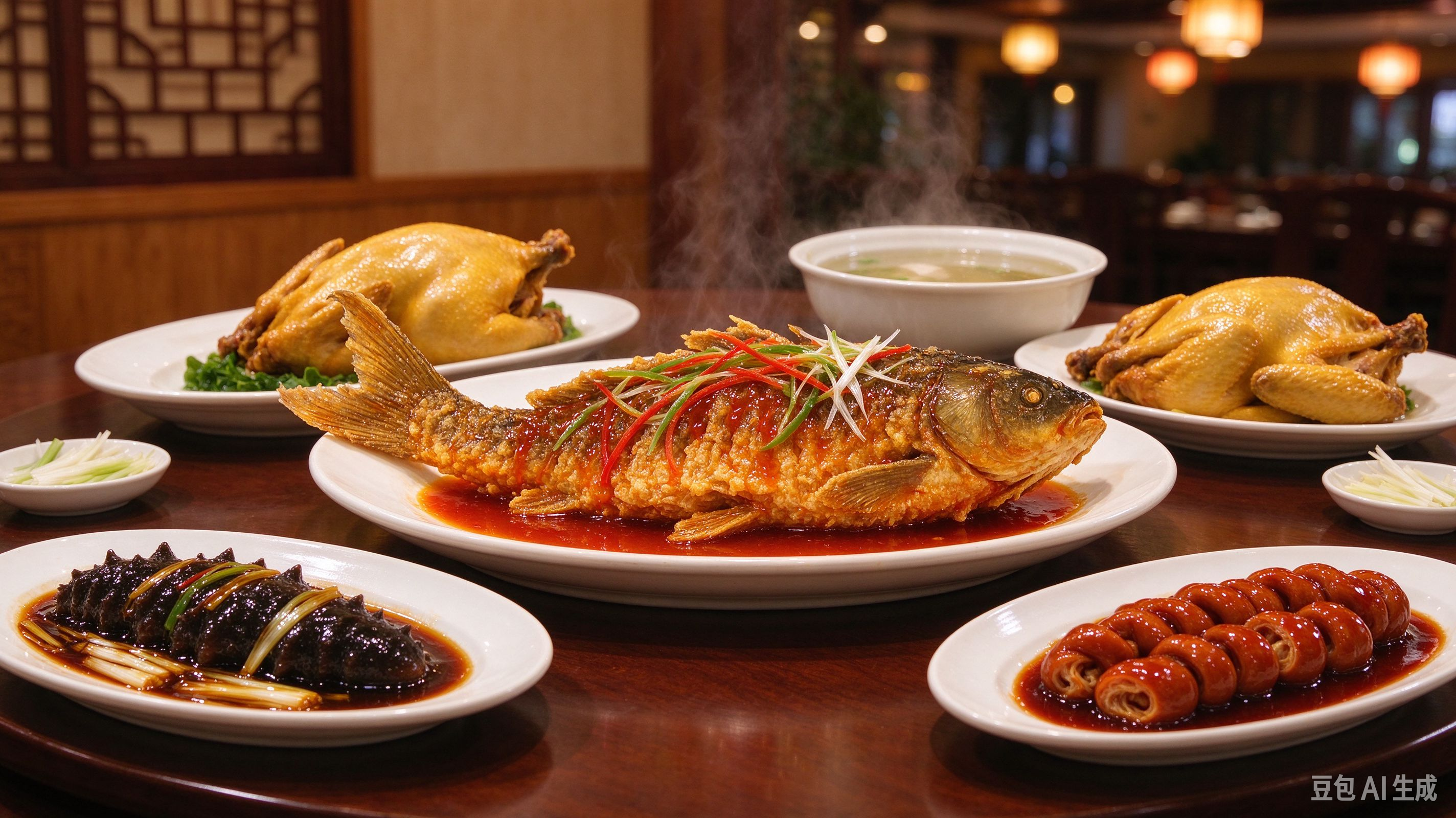
I sat down in a warm local restaurant in Jinan, and the owner smiled and recommended classic dishes for me. The first to arrive was sweet-and-sour Yellow River carp. The whole fish was fried beautifully, its fins lifted like it was about to leap out of the plate. One bite, and I was amazed: crispy outside, tender white flesh inside, balanced with bright sweet and sour sauce that was not cloying at all. It looked like a work of art, and I hesitated for a moment before picking up my chopsticks.
Next came braised sea cucumber with scallions, the signature treasure of Lu cuisine. The soft, slippery sea cucumber soaked up the rich, mellow fragrance of slow-cooked Shandong green onions. I learned that Lu chefs treasure scallions, using them to build deep umami instead of heavy spices. Unlike fiery Sichuan food or light Cantonese dishes, Lu cuisine chases the original taste of ingredients, seasoned gently with salt, soy sauce and carefully simmered stock.
I also tried Dezhou braised chicken. The meat fell easily off the bone, infused with layered aromatic spices, soft and savory. Then I tasted nine-turn braised intestines, a legendary dish that needs repeated cooking steps. It surprised me with mixed sweet, sour, salty and fragrant notes, complex and unforgettable. The chef told me that Lu cooking values patience, precision and clear broths; making a good stock can take hours or even a whole day.
Eating here, I felt the connection between food and Confucian culture. Shandong is the hometown of Confucius, and locals believe cooking follows the same wisdom as life: harmony and balance. Every dish respects its raw materials, never covering natural freshness with overwhelming flavours.
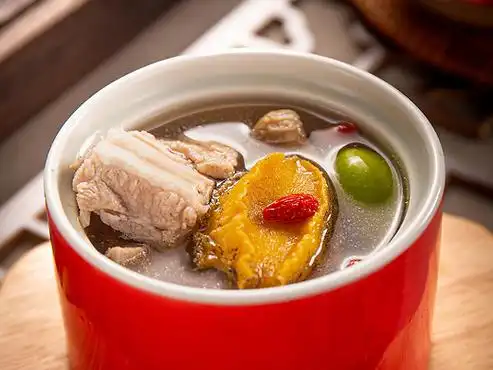
Before I left the restaurant, I had a bowl of warm clear soup. It was simple yet deeply flavorful. This is the magic of Lu cuisine. It is not loud or flashy. It is steady, sincere, and full of history. It is more than food; it is a taste of ancient northern China, waiting for travellers to slow down and savour.